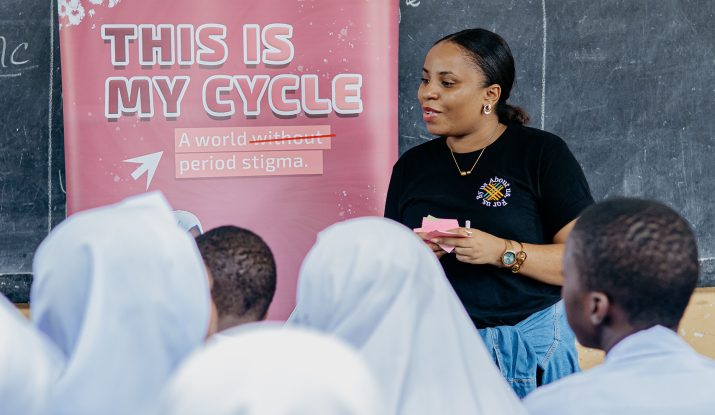
Last Thursday, during a Her Health session in Dar, a Form 3 student asked if tracking her cycle would help with the “bad thoughts” she gets before her period. Not cramps. Not flow. Thoughts.
I keep coming back to that question because it exposes what we miss when we treat period poverty like it’s only about access. You can give a girl pads and she’ll still be carrying shame, silence, and anxiety around her cycle.
Five years into running Girls First Initiative, I’ve watched organizations—including ours in the early days—treat menstrual health like a logistics problem. Get pads to girls. Check the box. Move on. But logistics don’t touch the mental load that comes with growing up in a culture that treats menstruation like something dirty you hide.
The shame shows up differently than you’d think. Girls miss school not because they don’t have pads, but because they’re terrified someone will notice. They sit through our sessions silent for weeks before asking anything because admitting you don’t understand your own body feels like failure. The silence around periods isn’t just cultural baggage. It affects mental health.

That’s why our Her Health model now ties together three things: in-school sessions where girls can actually ask questions, sanitary pad donations that remove the financial barrier, and cycle tracking booklets that give girls some sense of control. What we’re seeing is that prediction reduces anxiety. Knowing what’s coming and when makes the experience less overwhelming.
We borrowed “Si Aibu Yako” from our zine series for girls because that’s the whole point: It’s Not Your Shame. Not the period itself, not the questions you have, not still figuring things out at 15. None of it should require hiding.
But changing that narrative takes more than a slogan. It takes consistent programming, trained facilitators who know how to hold space for uncomfortable questions, and partnerships with schools that actually want girls to understand their bodies instead of just surviving them quietly.
The mental health piece is harder to measure than pad distribution numbers. We can’t put “reduced shame” in a logframe. But girls who attend multiple Her Health sessions ask different questions than girls who only come once. They shift from “Is this normal?” to “What can I do about this?”
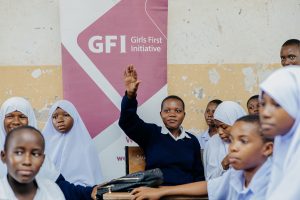 I think about that Form 3 student and her question about “bad thoughts.” In our session, we talked about how hormonal changes can affect mood, how tracking patterns can help you know what to expect, and how having language for what’s happening makes it less scary. None of that is groundbreaking information, but for her it was the first time an adult said, “Yes, what you’re feeling is real, and no, you’re not broken.”
 Girls deserve more than pads. They deserve accurate information, safe spaces to ask questions, and adults who take their mental health seriously. That’s what holistic SRHR programming looks like, and that’s what we’re building at GFI.
If you’re funding girls’ programs, look past the distribution numbers. Pad donations are necessary, but they’re not sufficient. Ask how organizations address stigma, what mental health support looks like in practice, and whether girls actually feel safe asking questions. Those answers will tell you what kind of change you’re funding.